Sunday, November 24, 2013

Impartial Observation

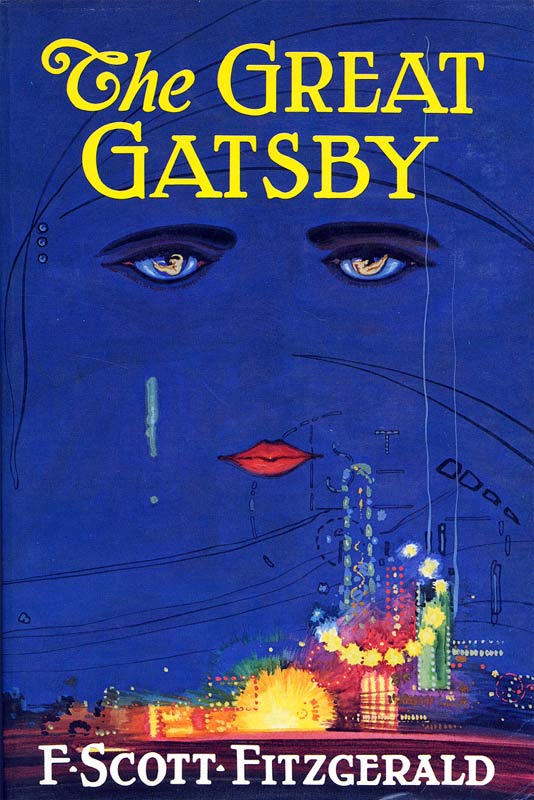
     In The Great Gatsby, Nick Carraway remembers and follows his dad's advice: " Whenever you feel like criticizing any one, just remember that all the people in this world haven't had the advantages you've had"  (Fitzgerald 1).  This is similar to David Foster Wallace's advice in his speech "This is Water," and as a result, Nick is able to escape his "default setting" and not just view the world in terms of himself. Nick reserves his judgement and simply tells it like it is, which is awesome. It allows me to form my opinions and the book is so descriptive that it almost feels like a primary source.  For example, Fitzgerald uses Gatsby's party  to show first hand the excessively glamorous lifestyle of the 1920s as he describes the full orchestra, buffet tables full of spiced baked ham, and more alcohol than they all need. It speaks to the excess of the era like an advertisement for a car curtain with silk pull tassels(Absolutely disgusting by the way. Ruining a beautiful car with overpriced and ugly curtains.). In history, the 1920s are often overlooked because it is sandwiched between World War I and The Great Depression but works like The Great Gatsby help to preserve the era.


Sunday, November 17, 2013

The Value of Punctuation Today.


        Due to the evolving world's increasingly minimalist perspective, it is only natural that punctuation also becomes less important and adjusts to differing norms.


        Punctuation is not essential to communication. When people text, they compress complex sentences into three letters, so how does a period really help? Austen's poem, "On Punctuation," displays clarity without using punctuation by forgoing punctuation yet remaining easy to understand (Source B). In the modern world, conciseness is valued above all else. If people are to reduce the number of words they use, why not reduce the number of punctuation marks? People use punctuation marks too much and often incorrectly anyways, creating errors such as the comma splice. Twitter's 140 character limit forces users "to be concise and less flowery with language," and this limit applies not only to words but to punctuation marks as well. (Source F). If one's writing is clear and concise, then additional punctuation doesn't have a purpose. On the other hand, some people argue that the rules for punctuation form a long established tradition and changing it would be detrimental to communication. The truth is that there is no such tradition as punctuation is always changing. In his article on the evolving rules of communication, Hitchings states that punctuation marks "such as the pilcrow and the hedera enjoyed temporary places in common usage before fading from view," proving that punctuation comes and goes while English continues to thrive. (Source A). 


           The rules of Punctuation should be considered a form of government, and when these rules do not serve a purpose, "it is the Right of the People to alter or to abolish it, and to institute new Government."
  

Sunday, November 10, 2013

Why So Serious?

     Reverend Dimmesdale, even though his secret was literally killing him, waited seven years to reveal his secret. John Proctor waited until his wife's life was in danger to reveal his secret, even though it could have saved him. Both Proctor and Dimmesdale committed the sin of adultery and could have saved themselves a lot of hardship by confessing. So why didn't they confess?

I believe that it is because of the Puritan Community and its serious demeanor. After they pretty much outlawed fun, the Puritans didn't have anything where they could blow off steam. When there is no break, no relaxation; people become so focused and absorbed in minute details. When people are calm, they take things in stride and move on with their lives. However, when people are stressed and something bad happens, they become obsessed with those that have wronged them and go out for vengeance, like Chillingworth.  In both the Crucible and the Scarlet Letter, the townspeople loved to gossip. They could only focus on the bad aspects of people and ignored the good. They judged people based on the crime and ignored any other circumstances.

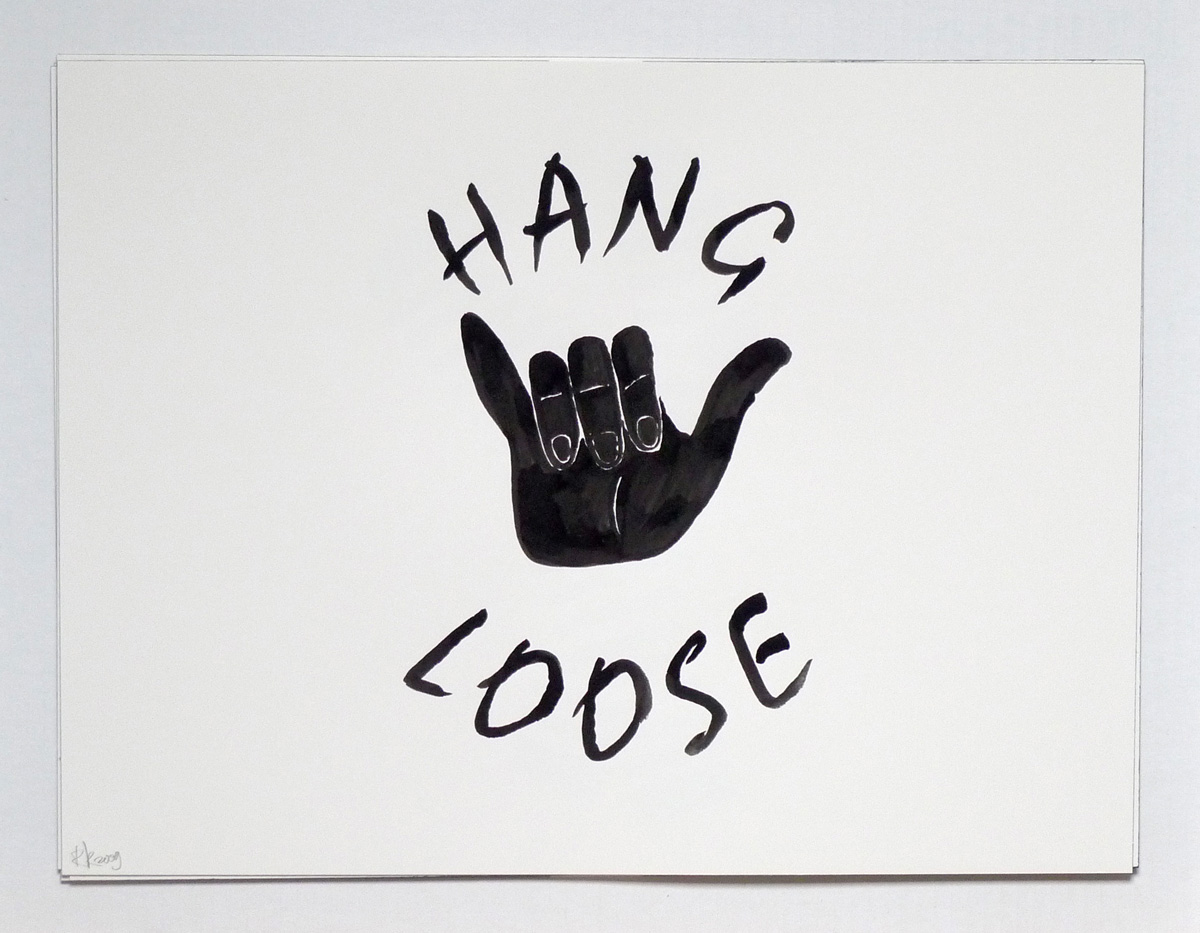
A couple of years ago, I went on a trip to Hawaii and really loved the people there. Everyone was really calm and no one got angry over small things. In every single shop, there were T-Shirts that read "Hang Loose," and the culture there really reflects that.

I feel that High School is kind of like the Puritan Community. There is so much pressure on the kids that they tend to make a big deal out of everything.

Sometimes people should just stop for a moment, take a deep breath, and ask themselves, "Why So Serious?
"

Sunday, November 3, 2013

Literary Overload or Not?

        In The Scarlet Letter (I finally realized there was only one t.), Hawthorne uses a plethora of symbols, metaphors and figurative language to describe his characters and the Puritan community   Every detail in The Scarlet Letter is important. Literally every detail. It's absurd. Pearl's name symbolizes how she comes at a great cost to Hester just as a pearl comes at a great cost to oyster and also symbolizes how much Hester values Pearl and a bunch of other things. The "A" symbolizes something different every chapter. It is almost overwhelming.  I remember when Ms. Valentino handed out the first chapter for us to annotate and it took a half hour. The first chapter is only 32 lines but I could write an eight page essay on the symbolism of the Prison-Door. Seeing our intense annotation of the first chapter was actually intimidating. Before reading any further, I had to say "It can't be worse than Emma," and thankfully it wasn't. I was pleasantly surprised as I found that The Scarlet Letter to be really interesting.  The story feels really deliberate and the figurative language wasn't suffocating.  I used to think that in some books, some of the figurative language and symbolism happened by accident, but in The Scarlet Letter, I actually thought that Hawthorne thought of all the figurative language and intended for it to be interpreted in the way it is. That is due to the fact that everything connects together so well that nothing feels out of place. Also, if Hawthorne uses figurative language, it is for something important.  The Scarlet Letter is so widely acclaimed not because of its abundance of symbolism and figurative language but how it uses figurative language. I have a new found respect for Nathaniel Hawthorne as he doesn't waste words.  As Mark Van Doren said, "The Scarlet Letter, like any masterpiece, is powerful everywhere and all the time. If its scene is bleak, itself is blended of the richest, most moving, most splendid things, put densely and inseparably together."